


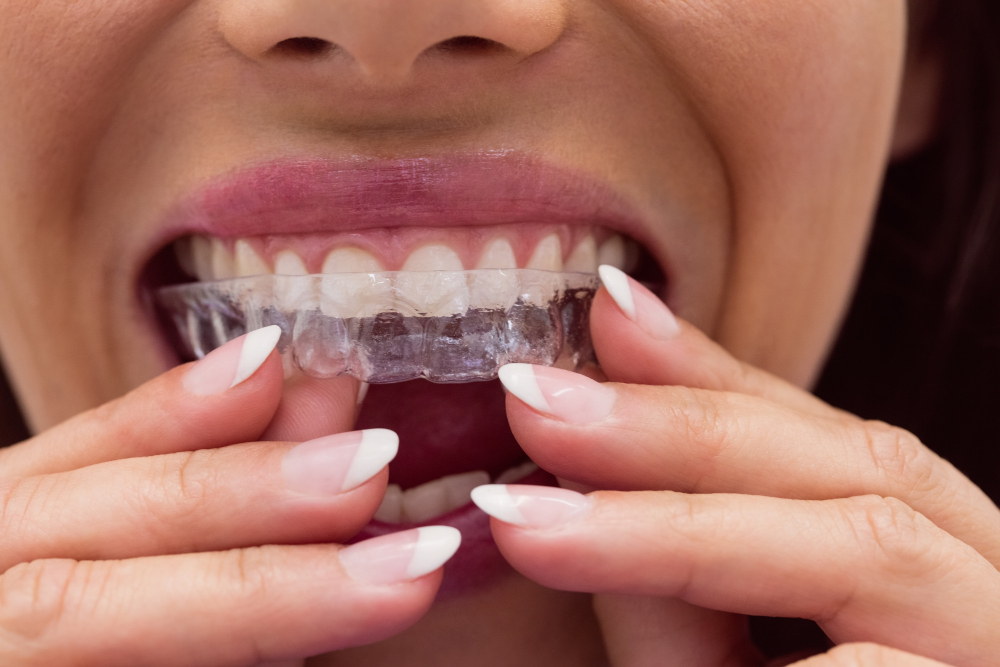
Clear Aligners in Brookefield, Bangalore
If you've been putting off straightening your teeth because you can't picture yourself with a mouth full of metal, you're not alone, and you're also not out of options. Maybe it's a gap that's bothered you since college, or a bit of crowding that's slowly gotten more noticeable in photos, either way, there's a good chance you've thought about braces and quietly talked yourself out of it. Clear aligners in Brookefield have become the go-to choice for a lot of adults in exactly that position, people who want straighter teeth without the visible wires, and honestly, without everyone at work asking about it every day for two years. Here's what they actually involve, what to expect once you start, and whether they're genuinely the right fit for your situation.
What Are Clear Aligners, Exactly?
Clear aligners are a sequence of specially made and clear trays designed to move your teeth gradually until they reach their final positions. The main difference from traditional braces is that these clear aligners are removable, so you do not have to wear any metal and plastic while you eat or brush your teeth, since there is no need to brush around the braces, nor do you have to be careful about certain foods. Each tray is used for one to two weeks, making tiny shifts that lead to an aligned smile eventually.
They can be used in cases of mild to moderate misalignments, crowded or gapped teeth and minor malocclusions, although complex misalignments might require traditional braces to be fixed correctly. It's important to consult with your dentist on this matter, since the first thing to figure out during a consultation is whether you're actually suitable for clear aligners or not. Patients from across Brookefield, and from nearby areas like Whitefield and Kundalahalli, usually come in with this exact question before anything else.
Why So Many Adults Are Choosing Aligners Over Braces
A few reasons come up again and again with patients considering clear aligners in Brookefield:
- They're nearly invisible. Most people won't even notice you're wearing them unless they're looking closely, which matters a lot if you're not thrilled about the idea of visible metal in every photo for the next year or two.
- You can take them out. No food restrictions, no special tools to clean around brackets, just normal brushing and flossing, the way you already know how to do it.
- They tend to be more comfortable. No metal brackets or wires rubbing against your cheeks and gums, and no emergency dash to the dentist because a wire is poking somewhere it shouldn't.
- Fewer appointments overall. Aligners are often provided in batches, which usually means less frequent office visits compared to the monthly adjustments braces require, genuinely useful if you're commuting in from further out, whether that's Marathahalli, ITPL, or the areas around Varthur.
None of this means aligners are automatically "better", they're just a different approach that fits certain lifestyles and cases more naturally than metal braces do. If you're weighing both, it's worth comparing Invisalign clear aligners directly against traditional braces before deciding, since the right choice really does depend on your specific bite and, honestly, how disciplined you'll actually be about wearing them every single day.
What the Process Actually Looks Like
1. Initial Consultation and Assessment This is where a dentist checks whether your teeth and bite are a good candidate for aligners, and talks through what realistic results would actually look like for your specific case, not a generic before-and-after photo from someone else's mouth.
2. Digital Scans and Treatment Planning Instead of the old-school putty impressions that half of us remember gagging through as kids, most clinics now use digital scanning to map out your teeth and plan the exact sequence of movements your treatment will follow.
3. Receiving Your First Set of Aligners You'll get a series of custom trays, sometimes several months' worth at once, along with clear instructions on how often to switch to the next one in the sequence.
4. Wearing Them Consistently This part matters more than people expect going in. Aligners typically need to be worn 20 to 22 hours a day to actually work as intended, taking them out mainly for eating and brushing. It sounds like a lot until you realize that's basically all day except for meals.
5. Periodic Check-Ins Even though visits are less frequent than with braces, you'll still have periodic appointments to make sure your teeth are tracking the treatment plan as expected, and to catch anything that needs adjusting along the way. This is usually easy enough to work around for patients coming in from Kadugodi or the AECS Layout side of things, since visits are spaced out more than braces ever require.
6. Retention After Treatment Once your teeth reach their final position, a retainer is usually needed to keep them from drifting back to where they started. It's easy to treat this as an afterthought once the "real" treatment is done, but it's genuinely worth planning for, since teeth have a stubborn memory of their old position.
What to Actually Expect Once You Start
There will likely be some tightness or even pressure when you first start with the new trays, and this is a good indication that they're working, not an indication of a problem. Typically, this feeling subsides in just one or two days as you get used to the trays. There may be a brief period of having a lisp as your tongue gets used to the new space in your mouth for about two days.
It's important to note that the most crucial aspect of the effectiveness of your treatment doesn't lie in the trays themselves, but rather in their consistency. Any trays that end up sitting in a desk drawer, your purse, or your car cup holder as opposed to being in your mouth are not going to work in order for you to achieve the desired result. If you tend to forget things, it's best if you develop a habit of putting them in right after you brush your teeth.
Is It Worth It?
For a lot of adults, the appeal isn't just a straighter smile, it's straightening their teeth without anyone at work or in photos noticing mid-treatment, and without rearranging their whole diet around what they can and can't eat. If discretion, comfort, and flexibility matter to you more than speed, clear aligners are generally worth serious consideration over traditional braces.
Getting Started at Dental Avenue
At Dental Avenue in Brookefield, Bangalore, clear aligner treatment starts with an honest assessment of whether your case is actually a good fit, not a one-size-fits-all sales pitch pushed on every patient who walks in. We regularly see patients from across the wider Whitefield and ITPL corridor, so if straightening your smile has been on your mind for a while now, it's worth booking an appointment to see what your options actually look like, or reaching out if you've got questions before committing to anything.