


How Do You Know If You Need a Root Canal or Just a Filling?
If you've got a toothache and you're bracing yourself for the words "root canal," take a breath, that's not always where this ends up. Whether you need a simple filling or root canal treatment really comes down to one specific factor: how deep the damage actually goes, and whether it's reached the nerve inside your tooth. Here's how to understand the difference, what signs point toward each option, and why only an actual dental exam can give you a definitive answer.
It's a common source of anxiety, mostly because root canals have a reputation that doesn't really reflect how the procedure actually goes today. But before getting ahead of yourself, it helps to understand what's actually happening inside a tooth when it starts hurting, and what determines which treatment path you'll end up needing.
The Real Difference Between a Filling and a Root Canal
In case of decay on the enamel and the inner layers of the tooth (dentin), you will need a filling treatment. The dentist will remove the decayed tooth part and fill it; in this case, the nerve is not affected at all. The procedure is quite simple and fast, and can be done in one sitting. You don't need any recovery after the treatment except for some sensitivity for a couple of days.
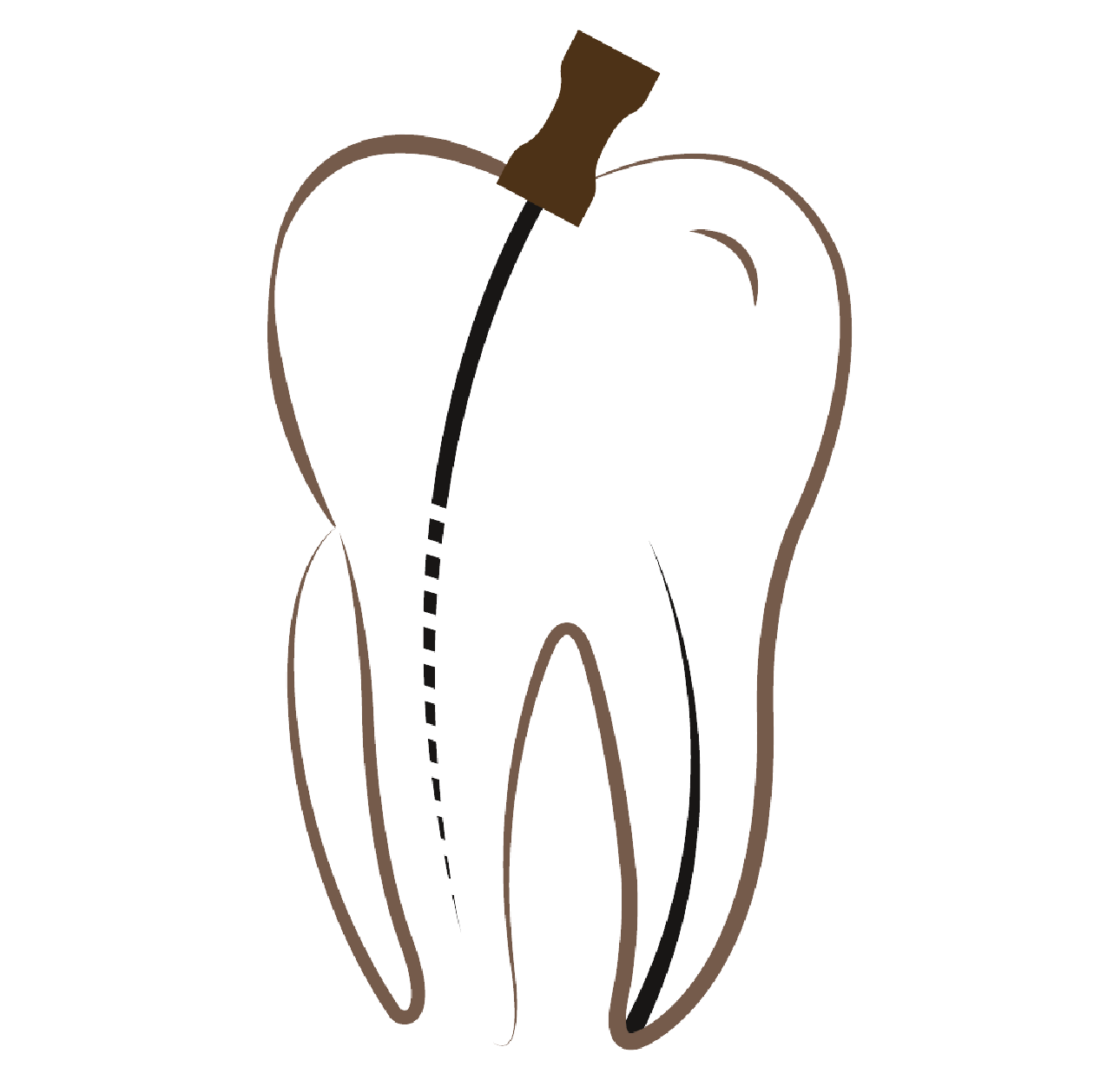
In case you have decay or infection in the pulp of the tooth, root canal treatment is needed. Pulp is an inner layer of the tooth with blood vessels and nerves. If the pulp is infected or damaged, just a filling will not help since the source of infection lies deeper than the filling can fix it. In this case, the dentist will remove the infected tissues, clean the channel and seal it. In most cases, root canal treatment is combined with the placement of the crown.
Signs That Might Point Toward a Filling
A cavity that hasn't reached the nerve tends to show up in more manageable ways:
- Mild to moderate sensitivity, especially to sweet foods or temperature, that fades shortly after the trigger is removed
- Visible discoloration or a small hole in the tooth that hasn't caused significant pain
- Sensitivity that comes and goes, rather than a constant, nagging ache
- No swelling in the surrounding gum tissue
- Pain that's easily traceable to a specific spot rather than radiating across your jaw
These signs generally suggest decay that's still limited to the outer structure of the tooth, which is good news, since it usually means a simpler, less expensive fix, and one that won't require multiple visits to complete.
Signs That Might Point Toward Root Canal Treatment
Once decay or infection reaches the nerve, the symptoms tend to shift noticeably, both in intensity and in how they behave:
- Persistent, throbbing pain that doesn't fully go away, even without an obvious trigger
- Pain that lingers well after hot or cold exposure, rather than fading quickly once the trigger is gone
- Pain that worsens when biting down or applying pressure to the tooth
- Swelling in the gums near the affected tooth
- A pimple-like bump on the gum, which can indicate an abscess forming
- Discoloration that's darkened significantly, sometimes a sign the nerve has died
- Pain that disrupts sleep, since nerve-level infections often feel worse when lying down
If several of these symptoms sound familiar, particularly persistent pain combined with swelling, it's worth getting evaluated sooner rather than later, since untreated infections don't resolve on their own and typically get worse over time, sometimes quite quickly.
Why You Genuinely Can't Diagnose This Yourself
It seems natural to want to diagnose your problem by symptoms, but the truth is that there is often little relation between the intensity of the pain and the seriousness of the condition of the tooth. Some dental infections may be relatively painless, while sometimes sensitive teeth that only require a filling become extremely painful in the course of the procedure, especially after consuming food that is either cold or sweet. A dentist usually establishes the real nature of the problem through a combination of the visual examination, sensitivity test using cold stimuli or percussion, and X-rays to see if the decay has reached the pulp tissue of a tooth in a way that cannot be seen on the outside or detected with percussion.
This is precisely the reason why diagnosing yourself using the list of symptoms is not an alternative to the actual visit to a dentist regardless of how precise it may be.
What Happens If You Ignore the Symptoms
Delaying treatment, whether it turns out to need a filling or a more involved procedure, generally makes things worse rather than better. A cavity that could have been treated with a simple filling can progress to needing more involved care if left untreated, since decay doesn't stay contained on its own. And an infection that already needs this kind of treatment can spread further, potentially leading to a more serious infection, bone loss around the tooth, or in more advanced cases, the loss of the tooth entirely. Catching things early is almost always the less expensive, less invasive, and less painful path overall, even though it can feel easier in the moment to just wait and see if the pain goes away on its own.
What to Expect If You Do Need a Root Canal
This procedure has a reputation for being painful that doesn't really match modern practice. It's done under local anesthesia and is aimed at relieving the pain caused by the infection, not causing it. Most patients report that the actual discomfort during recovery is comparable to getting a filling, not the dramatic experience the procedure's reputation suggests. In many cases, patients feel noticeably better within a day or two, simply because the infection that was causing the pain in the first place has finally been addressed.
Getting an Accurate Diagnosis
If you're dealing with tooth pain and genuinely unsure whether it calls for a filling or root canal treatment in Brookefield, Bangalore, the only reliable way to know is a proper dental exam. At Dental Avenue, this typically starts with understanding your symptoms, a visual and sensitivity exam, and an X-ray when needed to see what's actually happening beneath the surface. You can learn more about our root canal treatment approach, and if the exam shows the tooth needs additional protection afterward, crowns and bridges are often the next step to restore strength and function.
Staying on top of regular checkups also makes a real difference here, since catching a cavity early often means the difference between a straightforward filling and a more involved procedure down the line. A lot of the anxiety around this whole topic really comes down to waiting too long before getting something looked at.
Final Thoughts
If you have either the fillings or root canal done will depend entirely on the depth of the decay, not necessarily how much pain you’re experiencing. If you have tooth pain that keeps on giving, or your teeth are sensitive or swelling around a particular tooth, then you would do well to get it checked, rather than wait for it to go away.
You can book an appointment here, or you can contact us prior to booking.